

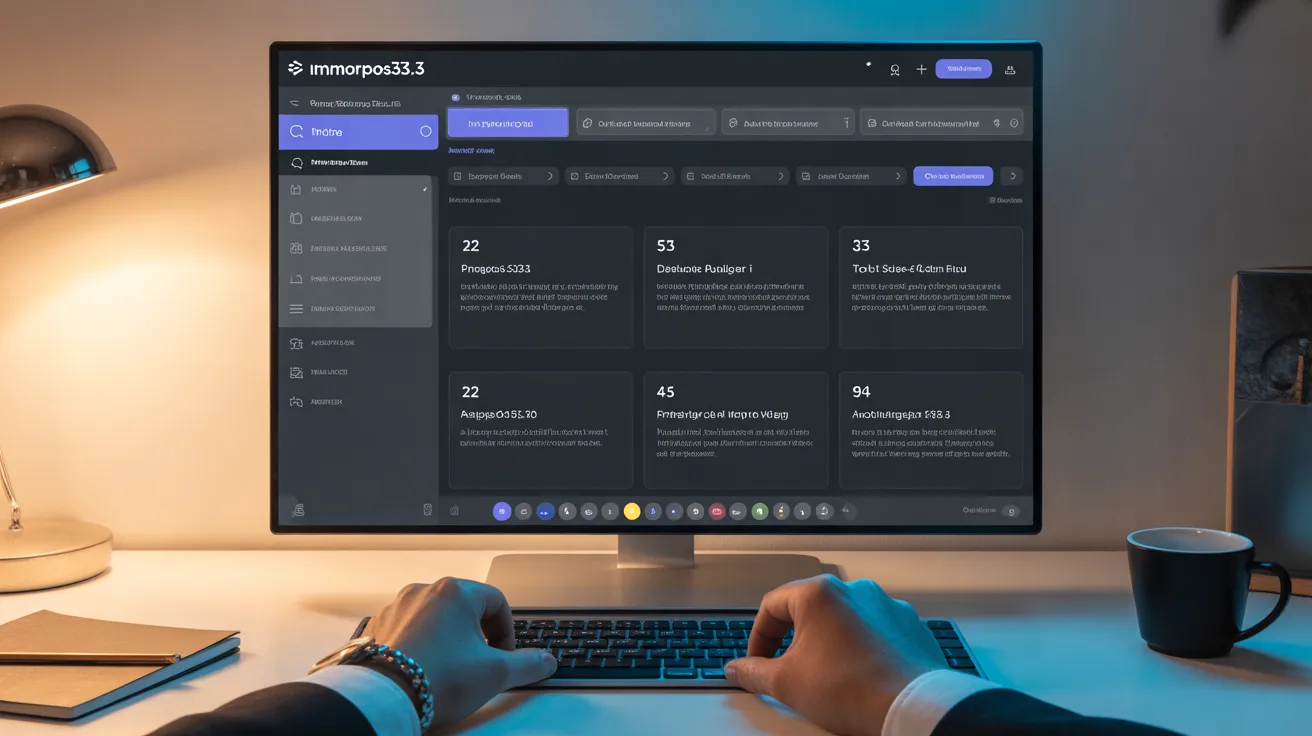
If you’ve recently installed Immorpos35.3 or you’re thinking about using it more seriously, you’re probably asking the same question most professionals do at this stage: am I using this software the right way, or just scratching the surface? That’s a fair concern. Powerful tools often look simple on the outside but hide their real value behind smart configuration and consistent habits. This guide is written for operations managers, analysts, and power users in small to mid-sized businesses who want clarity, not jargon. By the end, you’ll know how to use Immorpos35.3 software confidently, avoid common beginner mistakes, and build workflows that actually save time instead of creating more work. Whether you’re aiming for cleaner data, smoother processes, or better visibility across your projects, you’ll find practical answers here.
Understanding What Immorpos35.3 Software Is Designed to Do
Before diving into how to use Immorpos35.3 software, it helps to understand what it’s fundamentally built for. Immorpos35.3 is designed as a process-driven platform that centralizes tasks, data handling, and operational controls into a single environment. Instead of juggling spreadsheets, emails, and disconnected tools, the software focuses on bringing structure to repetitive workflows and decision-making processes.
This matters because many users expect instant results without aligning the tool to their real-world needs. Immorpos35.3 works best when you treat it as a system, not just an app. When users take time to map their processes first, adoption improves and errors drop. This idea aligns with well-documented usability principles that emphasize clarity and intentional design in software use (https://www.nngroup.com/articles/usability-101-introduction-to-usability/).
How to Use Immorpos35.3 Software for Initial Setup and Configuration
The first real step in learning how to use Immorpos35.3 software is getting the setup right. Initial configuration is where many users rush, and that’s usually where long-term frustration begins. Start by defining roles, permissions, and access levels based on how your team actually works, not how you think they should work. This prevents bottlenecks later and keeps accountability clear.
Once access is defined, focus on system preferences and default settings. Immorpos35.3 allows you to tailor views, data refresh cycles, and notifications. A short case example helps here. One operations manager I worked with spent an hour aligning notifications with daily check-ins instead of real-time alerts. The result was fewer interruptions and faster end-of-day reporting. Small choices early on can dramatically change how effective the software feels.
Navigating the Interface Without Feeling Overwhelmed
When users say a tool is “too complex,” it’s often because they haven’t learned how to move through it efficiently. Understanding how to use Immorpos35.3 software starts with getting comfortable in the interface. The dashboard is your command center, and it’s meant to be customized. Spend time rearranging panels and views so the most important information appears first.
Transitions between modules are another key area. Instead of jumping randomly, follow logical flows from input to output. For example, start with data entry, move to validation, and then review analytics. This mental model reduces errors and builds confidence quickly. Software adoption research consistently shows that clear navigation reduces cognitive load and improves long-term usage (https://www.nngroup.com/articles/usability-101-introduction-to-usability/).
How to Use Immorpos35.3 Software to Build Efficient Workflows
One of the biggest reasons teams adopt Immorpos35.3 is workflow optimization. To understand how to use Immorpos35.3 software effectively, think in terms of repeatable actions. Identify tasks you perform weekly or daily and recreate them as structured workflows inside the platform. This is where real efficiency gains begin to appear.
Automation features should be used carefully, not aggressively. Start with simple triggers and conditions, then expand once you trust the outcomes. According to McKinsey’s research on automation, organizations see the best results when automation supports people instead of replacing judgment-heavy tasks (https://www.mckinsey.com/capabilities/operations/our-insights/automation-and-the-future-of-work). Immorpos35.3 fits this model well when workflows are built around human review points.
Managing Data and Reports Inside Immorpos35.3
Data management is another area where users often struggle. Learning how to use Immorpos35.3 software for data handling means understanding both input discipline and output clarity. Clean data in leads to useful insights out. Encourage consistent data entry formats and validation rules so reports remain reliable.
Reporting tools inside Immorpos35.3 are most powerful when used for decision-making, not just record-keeping. Customize reports to answer specific questions, such as performance trends or process delays. Over time, these reports become a strategic asset. As of January 2026, data-driven teams consistently outperform intuition-based teams in operational efficiency, according to multiple industry studies cited by McKinsey (https://www.mckinsey.com/capabilities/operations/our-insights).
How to Use Immorpos35.3 Software for Team Collaboration
Collaboration is often overlooked when learning how to use Immorpos35.3 software, yet it’s one of its strongest advantages. Shared dashboards, controlled access, and transparent task ownership reduce miscommunication. When everyone sees the same data, meetings become shorter and more productive.
A common objection is that teams resist new tools. That’s valid, but resistance usually comes from poor rollout, not the software itself. When teams are trained with real examples from their daily work, adoption improves quickly. One mid-sized logistics team reduced internal email traffic by nearly half simply by centralizing updates in Immorpos35.3 within the first month of use.
Avoiding Common Mistakes and Misconceptions
Many users assume that more features equal better results. In reality, the opposite is often true. One of the biggest mistakes when learning how to use Immorpos35.3 software is overconfiguration. Too many rules, alerts, or automations can slow teams down and create confusion.
Another misconception is expecting instant ROI. Like any process tool, Immorpos35.3 delivers results through consistent use and refinement. Give the system time to reflect real patterns before making major changes. This patient approach aligns with best practices in process improvement and software adoption (https://www.nngroup.com/articles/change-management/).
Scaling and Optimizing Your Use Over Time
Once you’re comfortable with the basics, the next step in mastering how to use Immorpos35.3 software is optimization. Review workflows quarterly and remove steps that no longer add value. As teams grow, revisit roles and permissions to maintain clarity and security.
Scaling also means training new users efficiently. Document your best practices and embed them into the system itself. Over time, Immorpos35.3 becomes more than a tool. It becomes a shared operational language that supports smarter decisions and smoother execution across the organization.
Read Also: Jillian Beth Gumbel: A Closer Look at Her Life, Legacy, and Growing Public Interest
Conclusion
learning how to use Immorpos35.3 software isn’t about memorizing features. It’s about aligning the tool with how you work, then refining that alignment over time. When set up thoughtfully and used consistently, Immorpos35.3 can reduce friction, improve visibility, and help teams focus on what actually matters. If you found this guide helpful, take the next step by sharing it with your team, leaving a comment with your biggest Immorpos35.3 challenge, or subscribing for more practical software strategy insights. The real value starts when you put these ideas into action.
